Introduction to Commercial Investment Properties: A Guide to Lucrative Opportunities
Introduction
Investing in commercial properties offers a rewarding path for seasoned investors and newcomers aiming to grow their wealth. Unlike residential properties tailored for individual homeowners, commercial investment properties are built to generate income through business activities. Think office buildings humming with professionals, retail spaces buzzing with shoppers, industrial warehouses powering logistics, or multifamily complexes housing tenants. This guide dives into the types, benefits, and key factors to consider, helping you unlock the potential of these income-driven assets.
Types of Commercial Investment Properties
The world of commercial real estate is diverse, offering options to suit various investment goals: ✔ Office buildings From single-tenant spaces to towering skyscrapers, these properties are leased to businesses for operations—think law firms or tech startups.
✔ Retail Spaces: Shopping centers, standalone stores, and restaurants fall here, thriving on foot traffic and customer engagement.
✔ Industrial Properties: Warehouses, manufacturing plants, and distribution hubs define this category, often strategically located near transportation networks.
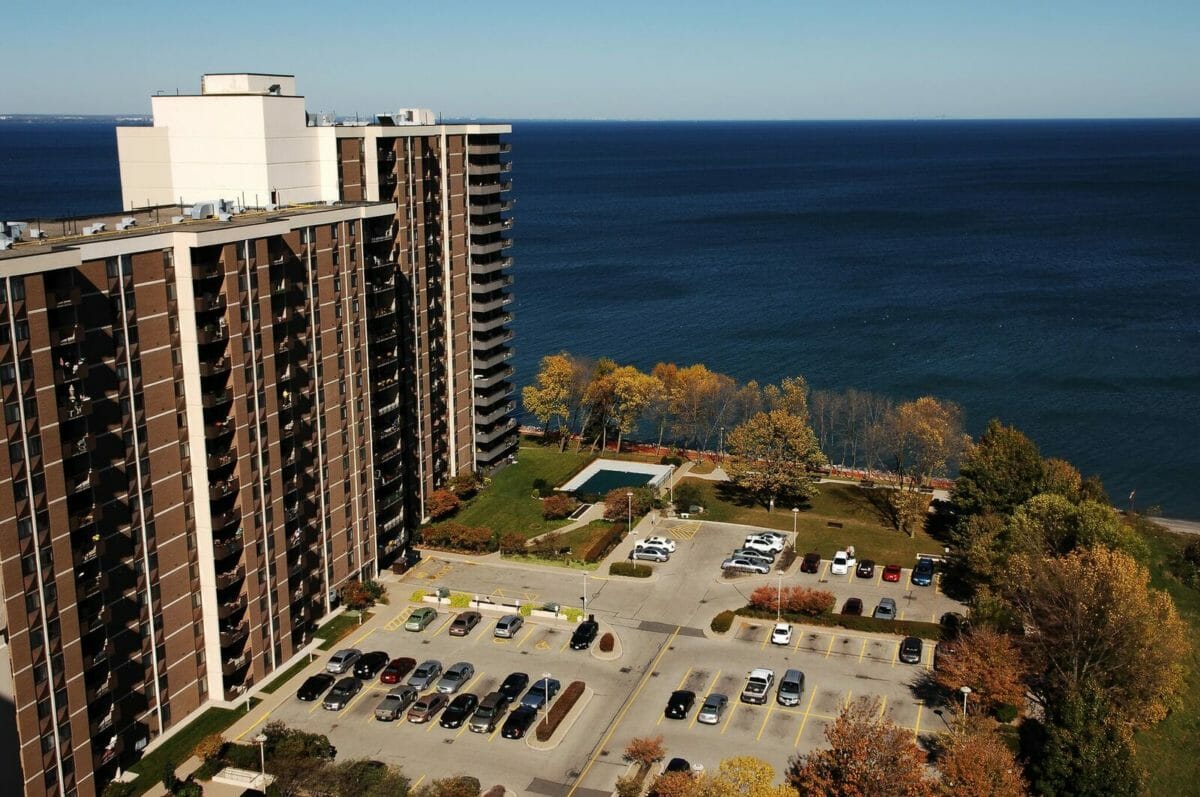
✔ Multifamily Units: Apartment complexes and similar properties blend commercial and residential traits, delivering steady rental income.
✔ Mixed-Use Developments: Combining residential, commercial, and sometimes industrial elements, these cater to diverse tenant needs in one dynamic space.
Each type brings unique opportunities, letting investors tap into different market sectors.
Benefits of Investing in Commercial Properties
Why choose commercial over residential? The advantages stack up: ✔ Higher Income Potential: Commercial properties often yield higher rental returns than residential ones, boosting your bottom line.
✔ Long-Term Leases: Many commercial tenants sign extended leases—sometimes 5-10 years—offering stable, predictable cash flow.
✔ Triple Net Leases (NNN): With tenants covering taxes, insurance, and maintenance, landlords face less financial strain in these setups.
✔ Diverse Investment Opportunities: From retail to industrial, the variety lets you diversify, spreading risk across industries.
Imagine a retail plaza with a triple net lease: tenants pay the upkeep, and you pocket consistent rental income—hard to beat that!
Key Considerations for Investors
Success in commercial real estate isn’t luck—it’s strategy. Here’s what to weigh: ✔ Market Research: Dive into local trends, tenant demand, and economic signals. Is the area growing? Are businesses thriving? Data drives smart choices.
✔ Location: A property’s spot can make or break its value. Look for economic hotspots with solid infrastructure—think highway access or bustling downtowns.
✔ Financing Options: Unlike residential mortgages, commercial deals lean on commercial loans, private equity, or unique structures. Note: Commercial lenders typically don’t cover broker commissions, so plan accordingly.
✔ Due Diligence: inspect the property, review lease terms, and check tenant history. Skipping this risks surprises—like hidden repairs or shaky tenants.
Master these, and you’re poised to turn opportunities into profits.
Conclusion: Your Path to Commercial Success
Commercial investment properties open doors to wealth-building for those ready to strategize. With thorough research, a keen eye on market dynamics, and the right financing, you can harness office buildings, retail spaces, or even hotels for long-term gains. Ready to take the leap? Mortgage Capital Investment is your ideal partner, covering all commercial deals—from agricultural land to large retail plazas. Click here to fill out an online application and start your journey today.
FAQ: Commercial Investment Properties
✔ What’s the difference between commercial and residential properties?
Commercial properties focus on business income (e.g., offices, retail), while residential targets individual homeowners or renters.
✔ Are commercial properties riskier than residential properties?
They can be—higher rewards come with factors like tenant turnover or economic shifts—but diversification and due diligence reduce risks.
✔ What’s a triple net lease?
Tenants pay property expenses (taxes, insurance, maintenance) on top of rent, easing the landlord’s load.
✔ How do I finance commercial property?
Options include commercial loans, private equity, or mortgages—often with brokers involved, though lenders rarely cover their commissions.
Mortgage capital investment can be your best partner. Click here to fill out an online application.